Digital Asset Management for Hospitals in 2026: A Practical Guide
Digital Asset Management for Hospitals in 2026: A Practical Guide
In 2026, hospitals are managing more medical equipment than ever before. From ICU ventilators to diagnostic scanners, every device plays a critical role in patient care.
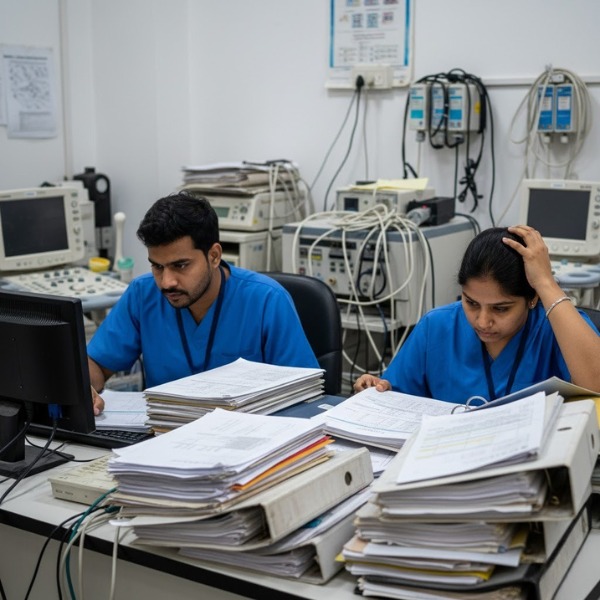
However, many hospitals still rely on spreadsheets and manual logs. This leads to equipment loss, maintenance delays, and compliance risks.
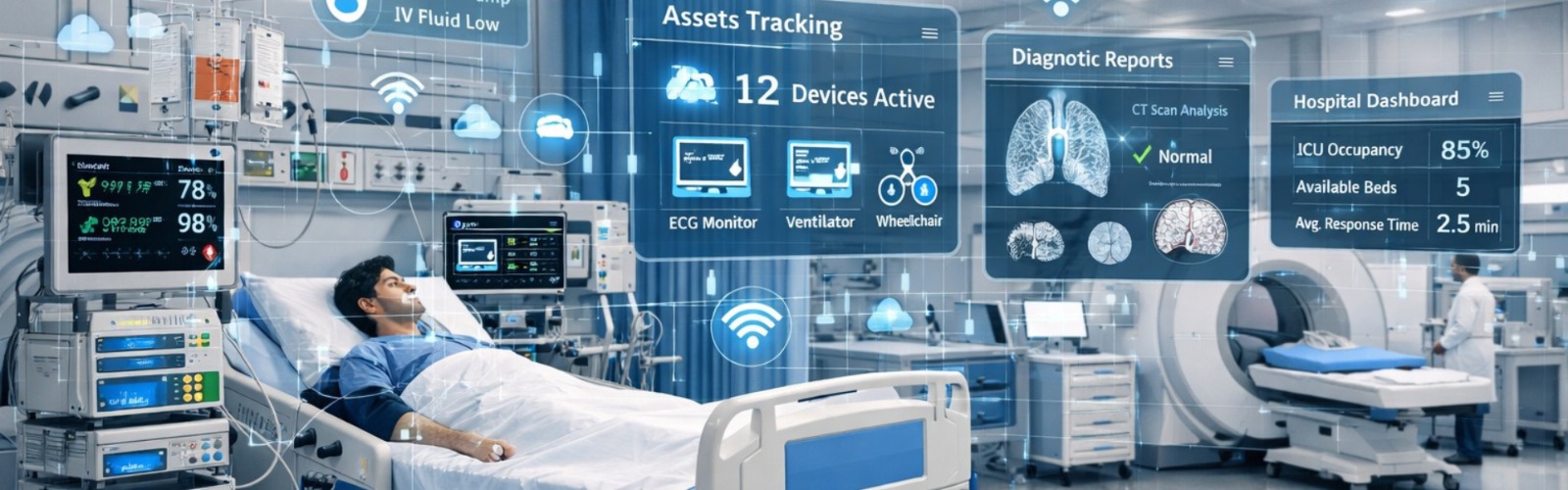
Digital asset management for hospitals has become essential for improving safety, efficiency, and cost control.
This guide explains how modern hospitals use asset management software to build smarter operations.
What Is Digital Asset Management in Healthcare?
A digital asset management system helps hospitals track, monitor, and maintain medical equipment in real time.
AIt manages:
- Medical devices
- Diagnostic machines
- Surgical tools
- Laboratory equipment
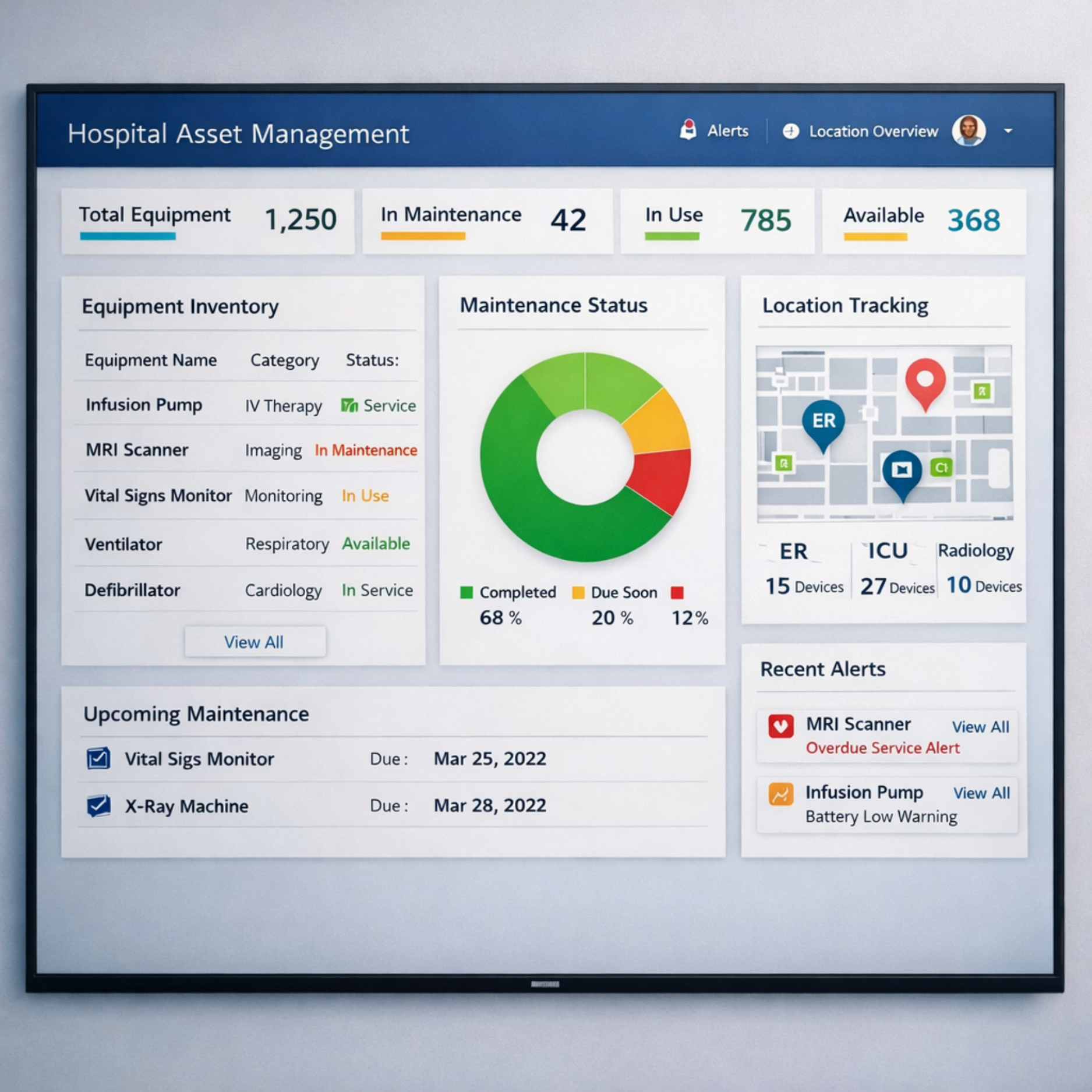
Unlike traditional systems, modern platforms use cloud technology, analytics, and automation.
This creates complete visibility across departments.
Benefits of Hospital Asset Management Software
1. Improved Patient Safety
Well-maintained equipment reduces treatment risks.
With digital systems, hospitals can:
- Schedule preventive maintenance
- Track calibration dates
- Monitor performance
- Receive safety alerts
This ensures reliable care delivery.
2. Real-Time Equipment Tracking
Using RFID and QR codes, hospitals can locate assets instantly.
Benefits include:
- Faster emergency response
- Reduced staff workload
- Better equipment utilization
- Lower operational delays
3. AI Predictive Maintenance
AI-powered systems analyze usage patterns and detect early signs of failure.
This helps hospitals:
- Prevent breakdowns
- Reduce downtime
- Extend equipment life
- Lower repair costs
- Predictive maintenance improves operational stability.
4. Compliance and Audit Management
Hospitals must comply with NABH and regulatory standards.
Digital platforms help by:
- Maintaining service history
- Storing certifications
- Creating audit reports
- Tracking licenses
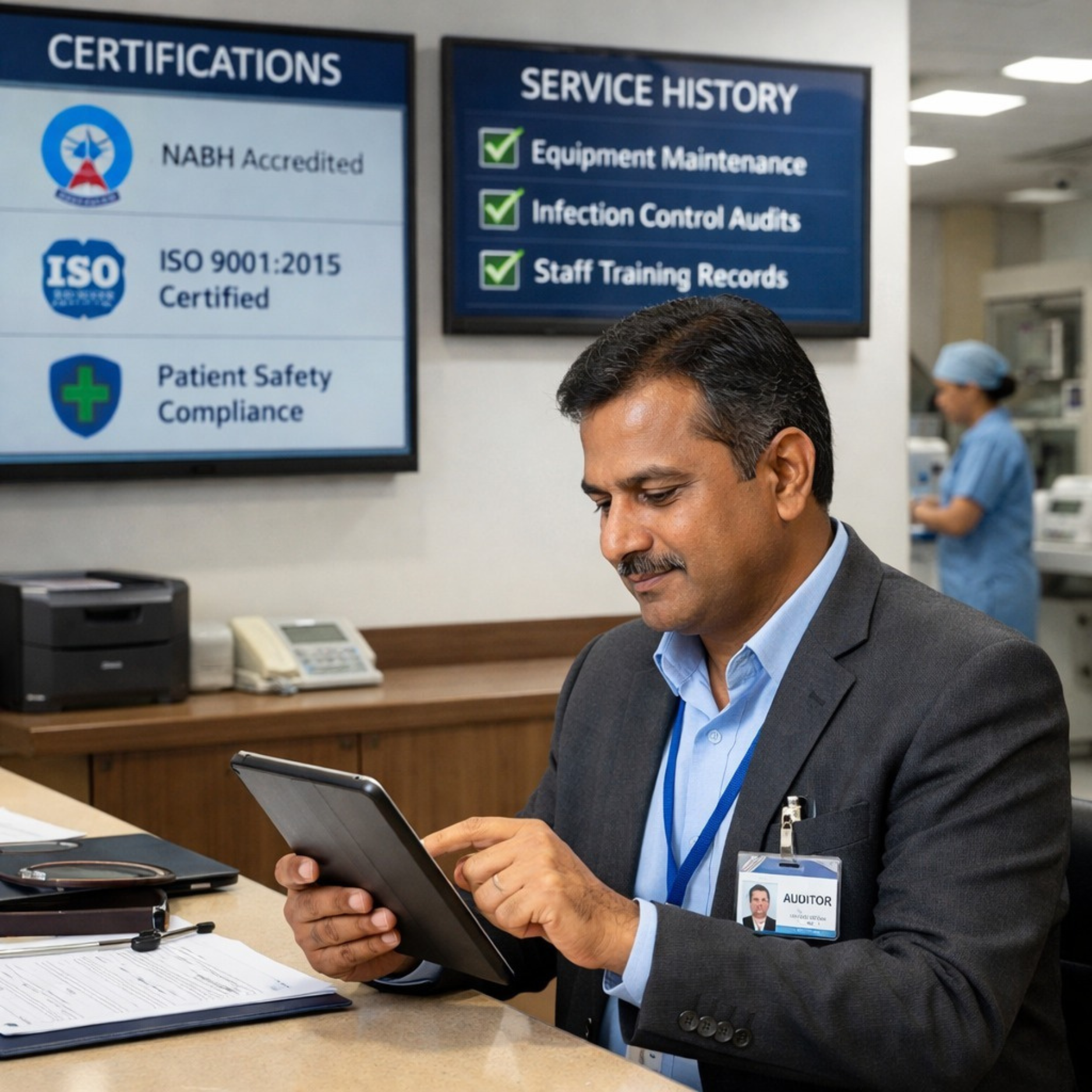
This makes inspections stress-free.
5. Cost Control and Budget Optimization
Poor asset management increases expenses through waste and duplication.
With digital tools, hospitals can:
- Avoid unnecessary purchases
- Share equipment between departments
- Plan replacements accurately
- Control maintenance budgets
This improves financial performance.
Why Digital Asset Management Matters in 2026
By 2026, smart hospitals depend on connected systems.
Digital asset management integrates with:
- Hospital Information Systems
- ERP platforms
- IoT sensors
- Analytics dashboards
It forms the backbone of smart hospital operations.
Without it, digital transformation remains incomplete.
How Vajra Supports Modern Hospitals
Vajra provides a cloud-based hospital asset management platform designed for Indian healthcare systems.
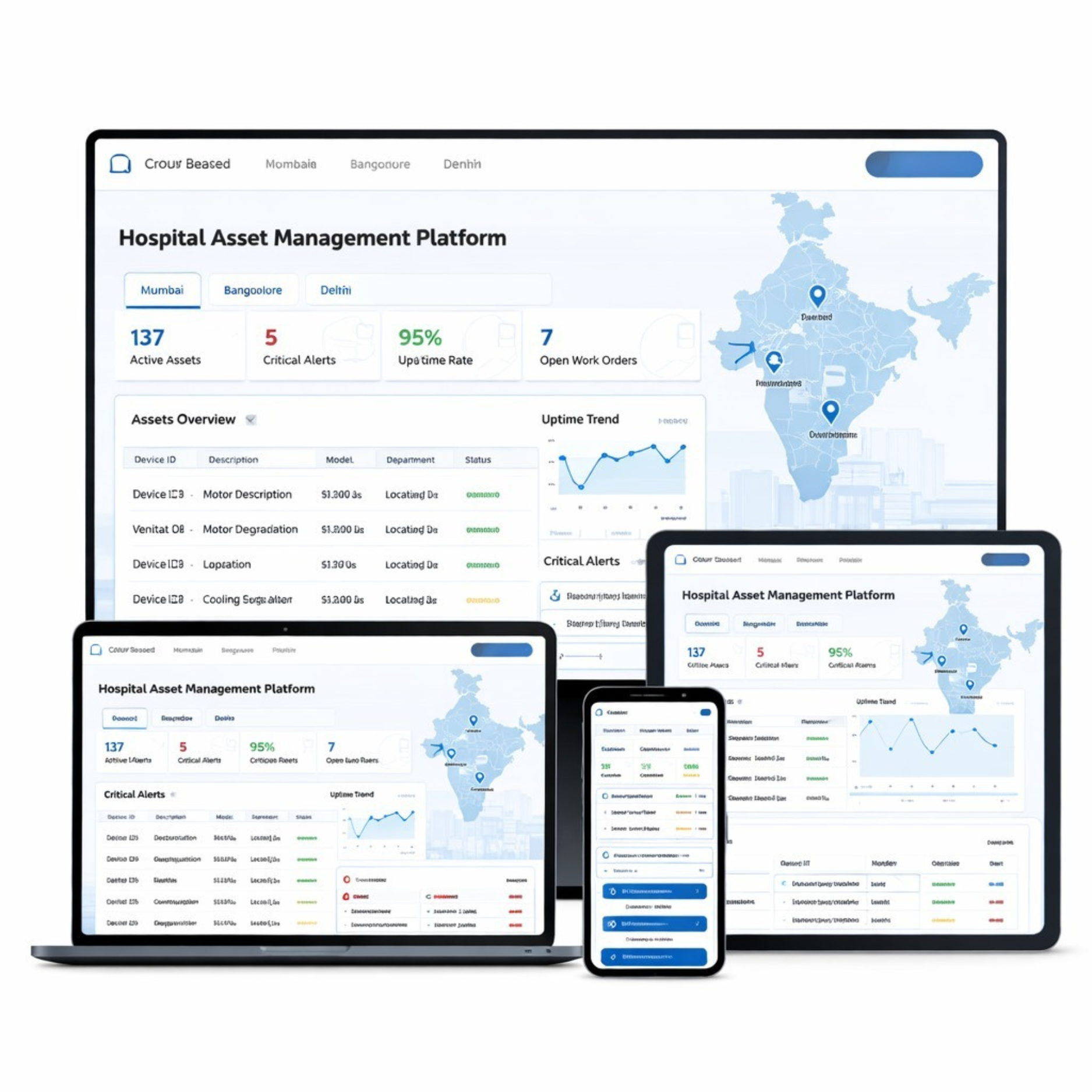
Our solution helps hospitals:
- Track equipment in real time
- Automate maintenance workflows
- Improve compliance readiness
- Reduce operational costs
- Scale across locations
We focus on long-term efficiency, not just short-term automation.
Conclusion
Digital asset management for hospitals is no longer optional in 2026.
It improves patient safety, ensures regulatory compliance, reduces costs, and supports smart hospital initiatives.

Hospitals that invest in asset intelligence today will gain a strong competitive advantage tomorrow.