How AI Is Transforming Hospital Equipment Management in 2026
How AI Is Transforming Hospital Equipment Management in 2026
INTRODUCTION
From Equipment Chaos to Intelligent Control
In 2026, the image of a frantic nurse searching for a missing infusion pump or a surgeon facing a "system error" mid-procedure is becoming a relic of the past.
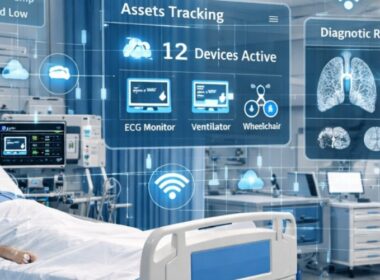
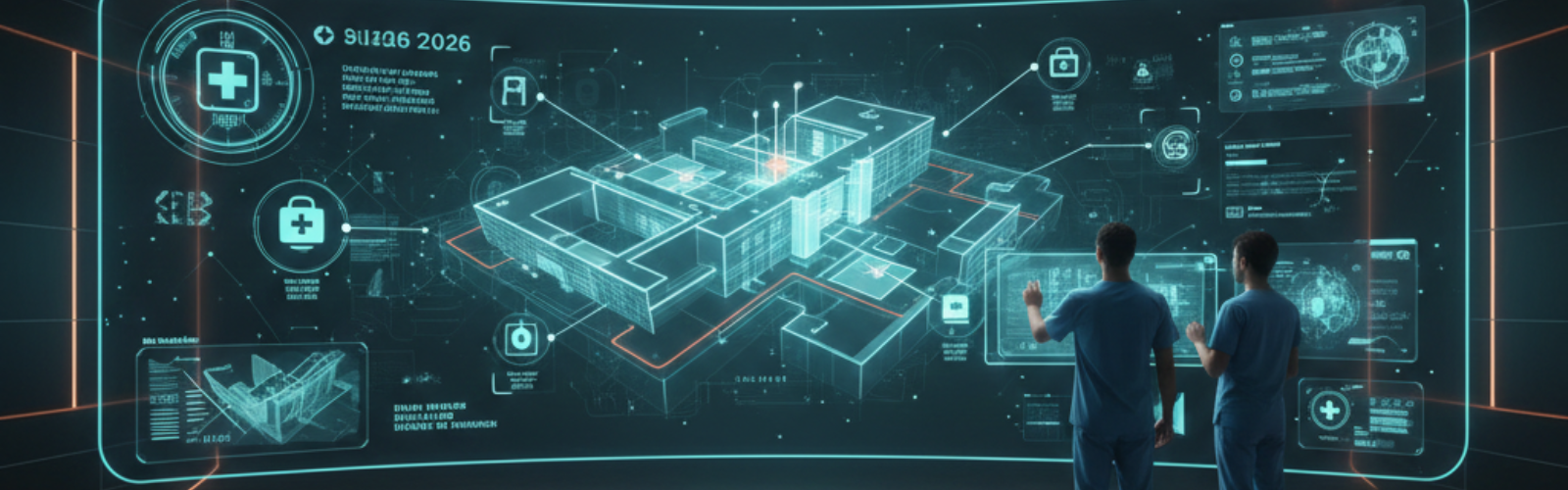
Hospitals have moved beyond simple digitization. We are now in the era of Intelligent Asset Management, where Artificial Intelligence (AI) isn't just tracking equipment—it’s predicting its needs, optimizing its location, and ensuring it never fails when a life is on the line.
Platforms like Vajra’s AI-powered hospital asset management system are already enabling hospitals to transition from reactive tracking to predictive, intelligence-driven control.
AI-powered hospital asset management system
Here is how AI is transforming hospital equipment management in 2026.
1. Predictive Maintenance: From "Fix-it" to "Foresee-it"
The days of reactive repairs are over. In 2026, AI algorithms utilize Digital Twins—virtual replicas of physical machines—to monitor high-stakes equipment like MRI scanners and ventilators.
- Anomaly Detection: AI identifies microscopic vibrations or temperature fluctuations in an X-ray tube that the human eye (or traditional sensors) would miss.
- Pre-emptive Alerts: Instead of waiting for a breakdown, the system automatically schedules a technician and orders the necessary parts before the failure occurs.
- Result: Hospitals in 2026 are seeing a 30% reduction in unplanned downtime, ensuring diagnostic services remain uninterrupted.
Advanced systems such as Vajra’s medical equipment management software use predictive analytics and usage-based service tracking to reduce downtime and extend asset lifecycle.
medical equipment management software
2. Real-Time Locating Systems (RTLS) 2.0
We’ve had "dots on a map" for years, but AI has turned tracking into Dynamic Orchestration.
- Inventory Logic: The AI knows that an ICU bed is likely to become vacant based on patient discharge data and automatically signals the cleaning crew and the equipment team to prep it for the next admission.
- Loss Prevention: AI-powered "Geofencing" alerts staff if expensive mobile equipment—like portable ultrasound units—is accidentally moved toward an exit or left in an unauthorized zone.
- Optimal Distribution: By analyzing historical usage patterns, AI ensures that equipment is stored in the departments where it is most likely to be needed, reducing "equipment hoarding" by staff.
3. The Rise of Agentic AI in the Supply Chain
In 2026, the hospital supply chain is no longer a manual spreadsheet. Agentic AI—autonomous software agents—now handles the heavy lifting of replenishment.
- Self-Healing Supply Chains: If a global logistics delay affects a specific brand of surgical implants, the AI agent identifies the shortage, scouts approved alternatives, and updates the procurement list automatically.
- Waste Reduction: AI predicts the expiration of sterilized kits and surgical tools, prioritizing their use or flagging them for re-sterilization, significantly cutting down on the billions of dollars lost to medical waste annually.
4. Cybersecurity: The "Immune System" for IOMT
As the Internet of Medical Things (IOMT) expands, every connected device is a potential entry point for hackers. In 2026, AI acts as the equipment’s "immune system."
- Automated Patching: AI identifies vulnerabilities in device firmware across the entire hospital fleet and applies security patches without human intervention.
- Behavioral Monitoring: If an infusion pump starts communicating with an unrecognized external server, the AI instantly isolates that device from the network to prevent a lateral cyberattack.

Conclusion:
Intelligence Is the New Healthcare Infrastructure
By 2026, the primary ROI of AI in equipment management isn't just "saving money"—it's reclaiming time. When equipment works perfectly and is exactly where it needs to be, clinicians can stop acting as "equipment hunters" and go back to being caregivers.
"In 2026, the smartest person in the hospital isn't just the surgeon; it's the network that ensures the surgeon has the right tool, in the right condition, at the right second."